Infographics Template: A Designer’s Embroidery Review
First Impressions: Translating Digital Graphics to Thread
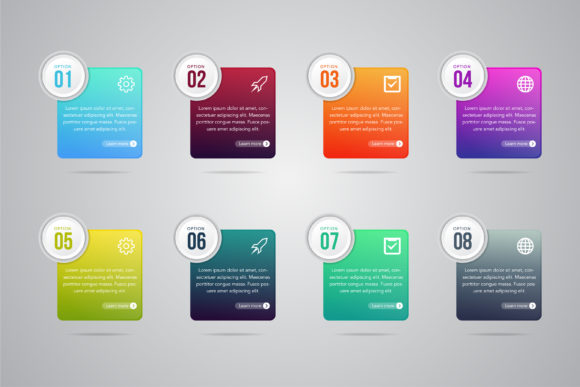
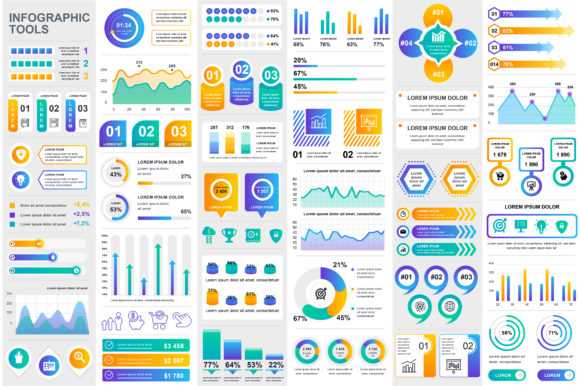
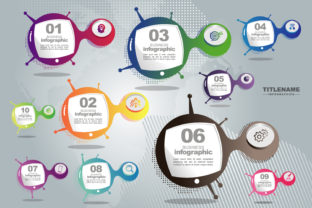
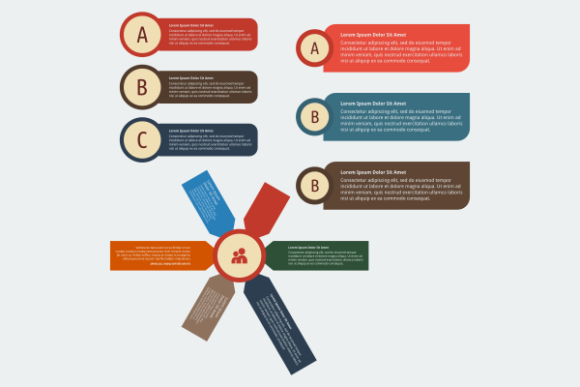
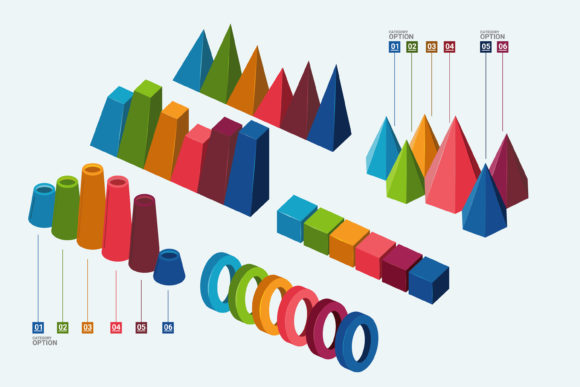
As a professional embroidery designer and product reviewer, I approach every new asset with a critical eye. When I first opened the Infographics Template, my immediate focus was not just on its screen appeal, but on its structural integrity for needle and thread. This package includes JPG, EPS, and SVG files, which is excellent for digital mockups and vector editing, but it requires a specific mindset for physical production. Infographics are inherently data-driven and linear, characterized by clean lines, geometric shapes, and distinct color blocking. For an embroidery project, this aesthetic is both a blessing and a challenge.
The mood of this template is organized, modern, and professional. It lacks the organic flow of floral designs or the dense complexity of traditional crests. Instead, it offers a structured visual personality that screams "boutique branding" or "educational content." However, before loading this into my machine, I had to assess whether these crisp vectors could survive the transition to fabric. The clean lines suggest satin stitch borders, while the solid blocks imply fill stitch areas. My primary concern was stitch density; infographic graphics often have high contrast edges that can cause puckering if not digitized with proper underlay and compensation for fabric pull.
Real-World Application: Stitching a Custom Canvas Tote
To truly evaluate the Infographics Template, I needed a real-life scenario beyond a test swatch. I decided to create a custom branded tote bag for a local maker’s market booth. The goal was to produce a functional item that also served as a walking advertisement for my craft business. Canvas is a forgiving fabric texture, making it an ideal candidate for testing how well the design holds up without excessive stabilizer interference.
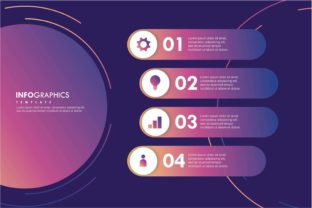
I selected a section of the template featuring a circular progress indicator and bold typography. On screen, the SVG looked flawless. In the hoop, however, I had to make practical adjustments. The original graphic lines were too thin for standard 40-weight thread, so I scaled the design up by 15% to ensure the running stitch elements remained visible and didn't get lost in the canvas weave. I used a medium-weight cutaway stabilizer to prevent the geometric shapes from distorting during the fill stitch sequences. The result was a sharp, professional-looking tote bag design that maintained the integrity of the original infographic style. Customers at the market responded positively to the clean, modern look, noting that it felt more like high-end merchandise than typical craft fair fare. This confirmed that when adapted correctly, this template bridges the gap between digital assets and tangible handmade products effectively.
Best Use Cases for Commercial and Personal Projects
Based on my testing and experience, the Infographics Template excels in specific niches where clarity and structure are paramount. It is not a universal design for every garment, but it is a powerhouse for targeted applications:
- Small Business Merchandise: Perfect for aprons, caps, and staff polos where you need to convey information (like menu items, pricing tiers, or service icons) clearly. The structured nature of infographics translates well to commercial embroidery where brand consistency is key.
- Educational and Nursery Decor: Simplified infographic elements work beautifully for baby embroidery on blankets or pillow covers. Think alphabet charts, growth milestones, or simple weather icons. The clean lines are visually stimulating for children without being overwhelming.
- Digital Product Previews: Because the package includes high-quality JPG and SVG files, Etsy sellers can create accurate printable mockups. This helps manage customer expectations by showing exactly how the digital embroidery file will look when stitched, reducing returns and inquiries.
- Patches and Labels: The distinct color blocking makes this template suitable for embroidered patches. The separation of elements allows for easy color changes and clean satin stitch borders, essential for professional-looking labels on handmade goods.
Navigating Technical Limitations and Fabric Choices
While versatile, this Infographics Template demands caution in certain contexts. Infographic styles rely on precision, and some fabrics simply cannot support that level of detail without significant modification.
- Stretchy and Thin Fabrics: Avoid using complex sections of this template on lightweight knits or performance wear without heavy stabilization. The density of fill stitches in chart-like elements can cause tunneling or fabric distortion. If you must use it on a t-shirt, simplify the design to outline-only running stitches or reduce the stitch density significantly.
- Curved Surfaces: Caps and curved sleeves are tricky for linear infographic layouts. Straight lines in a vector file do not naturally conform to a curved cap front. You may need to warp the design digitally before digitizing or choose only the radial/circular elements of the template for headwear.
- Tiny Lettering and Details: Infographics often contain small text labels. In embroidery, anything under 6mm height risks becoming illegible. Always check the minimum text size after resizing. If the template includes micro-details, consider replacing them with simpler icons or removing them entirely for smaller hoop sizes.
- Dark Fabrics: High-contrast infographics usually assume a light background. When stitching on dark garments, ensure your thread colors provide sufficient contrast. White or metallic underlay may be necessary to prevent the dark fabric from showing through lighter fill stitch areas, which can muddy the clean infographic aesthetic.
Professional Notes for Makers and Sellers
Before you commit this Infographics Template to a final product or list it in your shop, adhere to these professional best practices to ensure quality and compliance:
- Verify Licensing: The inclusion of EPS and SVG files suggests versatility, but always confirm the specific license terms regarding commercial use of finished products versus reselling the digital embroidery file itself. Protect your business by understanding what you can and cannot sell.
- Test Stitch on Scrap: Never run a new design directly on a client’s garment. Test on a scrap of the exact fabric and stabilizer combination you plan to use. Check for registration issues between color blocks and ensure satin stitches aren’t pulling the fabric out of alignment.
- Mockup Accuracy: Use the provided JPG and SVG assets to create realistic listings. However, add a disclaimer that actual stitch results may vary based on fabric choice and machine tension. Transparency builds trust with buyers looking for personalized gifts or custom apparel.
- Thread Color Planning: Infographics rely on color coding for meaning. When adapting for embroidery, limit your palette to avoid excessive trims and jumps. Map your thread colors to the design’s logic so the finished product retains the informational clarity of the original graphic.
- Check File Compatibility: While SVG and EPS are industry standards for vectors, ensure you have the software to convert them to your machine’s specific format (PES, DST, JEF, etc.) if a pre-digitized embroidery file isn't included. Proper conversion preserves the stitch path logic essential for clean results.
The Infographics Template is a valuable asset for the modern embroidery entrepreneur who values structure and clarity. By respecting the technical realities of stitching and leveraging the included vector formats for smart marketing, you can transform digital data into beautiful, functional textile art. Whether you are creating boutique branding, educational baby gifts, or unique Etsy listings, this template offers a solid foundation for professional-grade results when approached with thoughtful craftsmanship.