Medical Vector Clipart Pack: Graphics & Illustrations Review
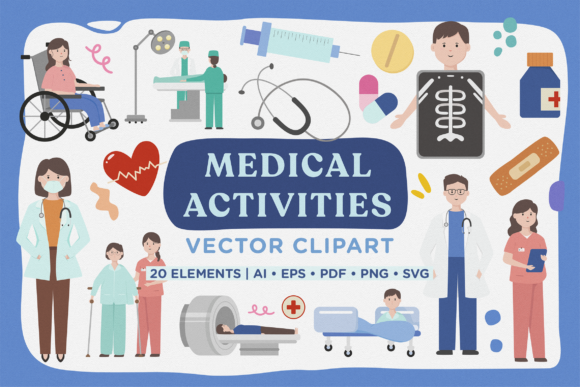
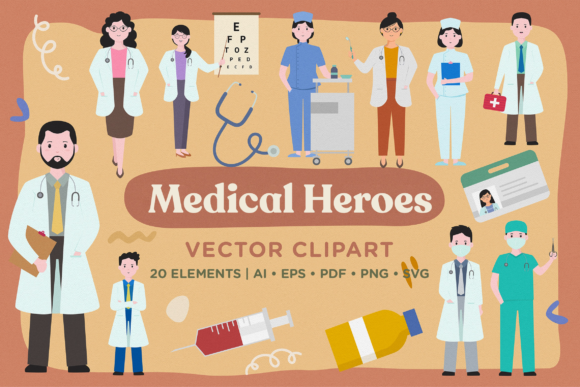
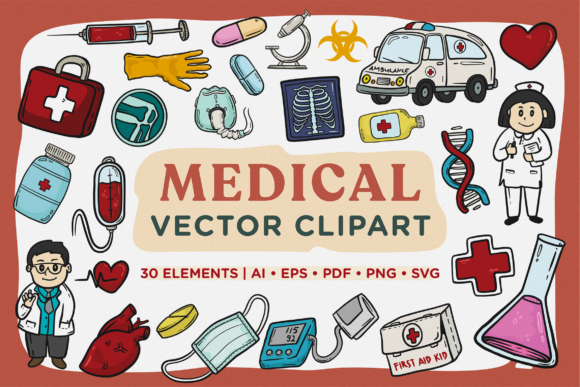
As a digital publisher and blog designer, I constantly evaluate graphic design assets not just for their aesthetic appeal, but for their utility in a real content workflow. When I first opened the Medical Vector Clipart Pack, my immediate impression was one of accessible professionalism. Unlike sterile, hyper-realistic medical stock photography that can sometimes alienate readers or trigger anxiety, this collection of 30 medical doodle vector cliparts establishes an editorial mood that is approachable, educational, and clean. The hand-drawn aesthetic of pills, capsules, troches, and other pharmaceutical elements creates a visual bridge between complex health information and the lay reader. For publishers in the wellness, pharmacy education, or lifestyle health niches, this asset signals that the content is digestible and user-friendly rather than overly clinical.
Streamlining Editorial Design Across Content Formats
In my daily publishing workflow, versatility is non-negotiable. A single digital download needs to serve multiple purposes across a content ecosystem. This pack excels because the vector format allows for infinite scaling without quality loss, which is critical when moving from a small icon to a large website header. I have found these illustrations particularly effective for creating cohesive blog graphics that tie together disparate articles under a unified theme. For example, when designing featured images for a series on medication safety, using consistent line-art style doodles creates a stronger visual hierarchy than mixing unrelated stock photos.
Beyond standard blog posts, this asset is a powerhouse for Pinterest pin creation. Pinterest users respond well to clear, bold visuals with ample negative space. These medical doodles provide the perfect focal point for pins promoting health guides or pharmacy tips without cluttering the text overlay. Similarly, for newsletter creators, placing a subtle capsule or pill illustration in a header or as a section break adds personality to email campaigns while maintaining high readability. The pack also serves as an excellent foundation for Canva templates, allowing small business owners to quickly generate professional social media graphics that align with their brand identity.
Elevating Digital Products and Lead Magnets
For creators monetizing through affiliate marketing or selling digital products, perceived value is everything. I tested this clipart pack within a PDF lead magnet checklist for medication management. The custom illustrations transformed what could have been a dry, text-heavy document into a polished printable design. When offering a digital guide or eBook, unique visuals differentiate your product from generic competitors. These vectors work beautifully as chapter icons, margin accents, or cover elements, reinforcing the authority of the content while keeping the layout airy and engaging. In content marketing, this level of polish directly correlates to higher trust and conversion rates.
Strategic Placement for Maximum Reader Engagement
Understanding where to deploy this creative design asset is as important as the asset itself. Based on my testing, the Medical Vector Clipart Pack performs best in specific editorial contexts:
- Hero Images: Use a cluster of these doodles on a solid pastel background to create a custom hero image that loads instantly compared to heavy JPEGs.
- Category Thumbnails: Assign specific icons (e.g., a capsule for supplements, a pill for prescriptions) to help users navigate site categories visually.
- Editorial Accents: Place small graphics next to pull quotes or key takeaways to draw the eye and break up long-form text.
- Content Upgrades: Enhance checklists and worksheets to make them feel like premium resources rather than afterthoughts.
- Affiliate Content Visuals: Create custom comparison charts or feature highlights for product reviews that look bespoke and trustworthy.
However, publishers must exercise caution. While the doodle style is versatile, it may not suit every context. I would advise against using these playful illustrations in highly sensitive content regarding terminal illness, emergency trauma care, or strict corporate compliance documentation where a more somber or photographic tone is required. Additionally, avoid placing these detailed line drawings on busy backgrounds or low-contrast surfaces; they require breathing room to remain legible. On mobile devices, ensure the stroke width remains visible when scaled down for thumbnails, as intricate details can disappear on smaller screens.
Publisher Notes: Technical and Licensing Best Practices
Before integrating this pack into your commercial design projects, run through this practical checklist to ensure optimal performance and legal compliance:
- Test Typography Pairings: These doodles have a distinct personality. Preview them alongside your site’s fonts. They pair exceptionally well with rounded sans-serifs and friendly script fonts but may clash with rigid, traditional serifs unless used ironically.
- Verify Commercial License: Always confirm the specific licensing terms before using these on monetized affiliate pages, paid courses, or client work. Ensure your usage tier covers small business branding and digital resale if applicable.
- Optimize for Web Performance: Even though vectors are lightweight, exporting them as SVGs for web use keeps page speed high. If converting to PNG for social media, compress files properly to maintain crisp edges without bloating load times.
- Check Contrast Ratios: Test the graphics in grayscale and against your brand colors to ensure accessibility standards are met, especially for text-adjacent elements.
- Mobile Responsiveness: Preview your modern design layouts on actual mobile devices, not just browser resizing tools, to verify that the illustrations enhance rather than distract from the reading experience.
Ultimately, the Medical Vector Clipart Pack is a valuable addition to any digital publisher's toolkit who operates in the health and wellness space. It solves the common problem of finding medical imagery that feels human-centric rather than institutional. By leveraging these design assets strategically across web design, newsletters, and downloadable resources, creators can build a more recognizable and trustworthy visual identity. Whether you are sourcing from a creative marketplace or building a proprietary library, having a dedicated set of high-quality, editable medical illustrations streamlines production and elevates the overall quality of your content output. For bloggers and marketers aiming to balance expertise with empathy, this pack delivers both form and function effectively.